
iSAS
Innovate for Sustainable Accelerating Systems
Innovate for Sustainable Accelerating Systems
Behind every sustainable accelerator technology, there are people. In this series of portraits, three scientists from across the iSAS consortium share what drives their work, what surprised them about this field, and what they wish they had known earlier. Meet Maud, Yolanda and Emma!
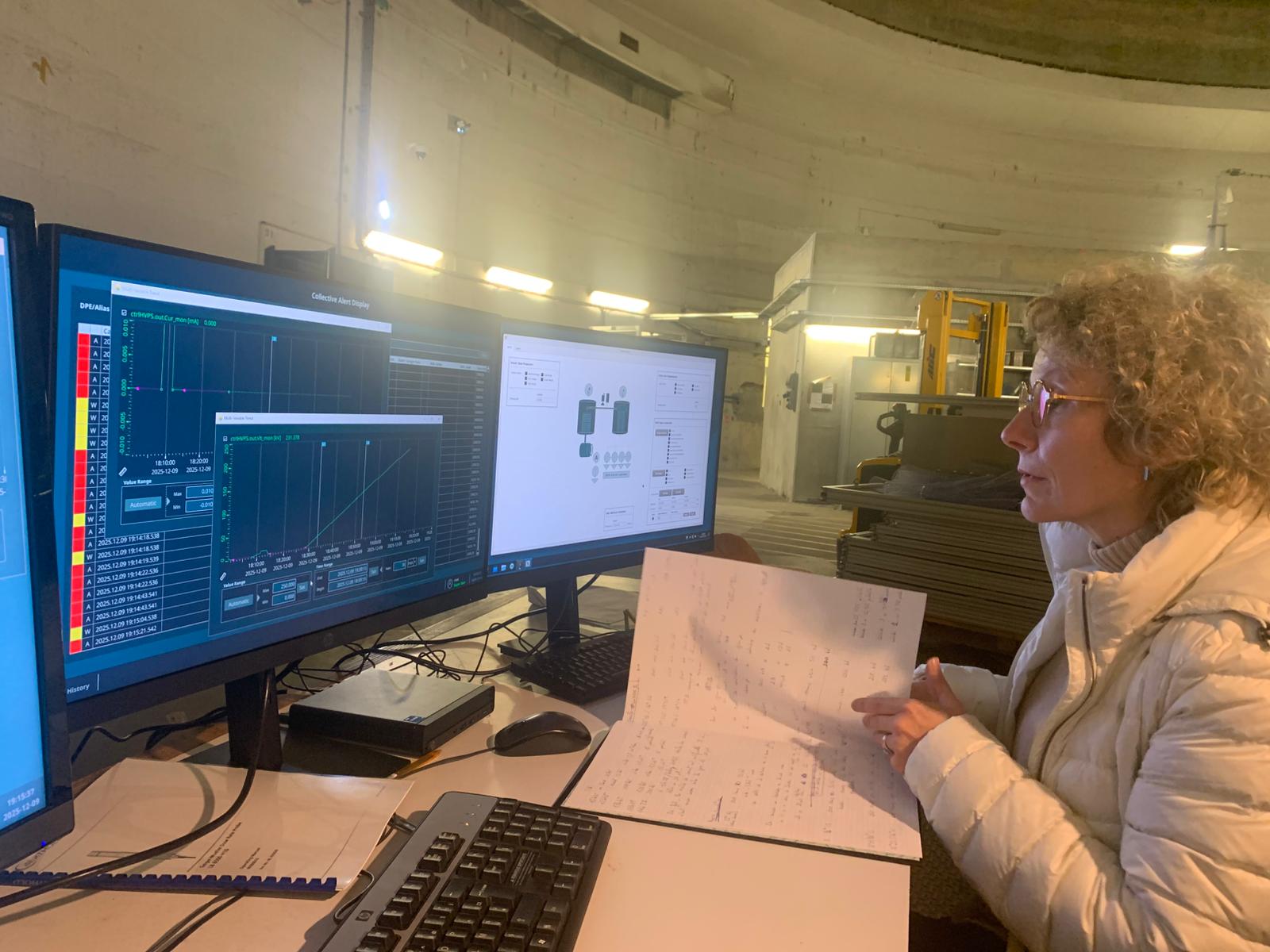
Particle accelerators are exceptional instruments for science and society, yet progress must be done to reduce their electrical consumption: this is the goal of iSAS, which gathers experts from EU labs developing energy efficient accelerator components. As the manager of external relations, I liaise with other R&D programs and report on iSAS progress to the accelerator community.
Universality. If I work on a very specific topic that I want to discuss, I can contact experts in other labs all around Europe, or even further. My work environment has no physical boundaries, I am part of a wide network.
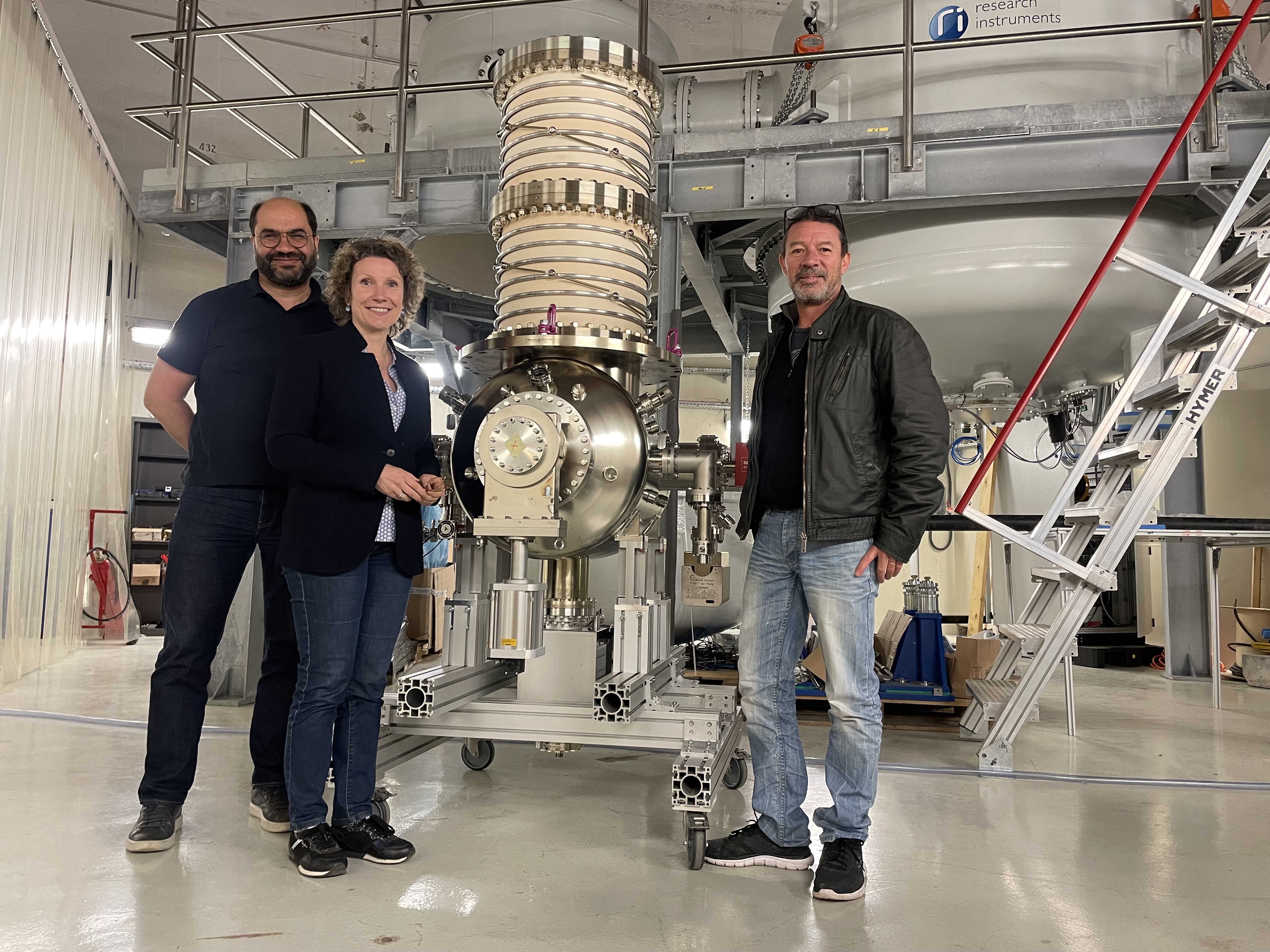
Go for it! If science is truly your calling, believe in yourself and go for it. Science is inclusive, it welcomes everyone who is eager to contribute.
Particle accelerators are often developed as part of large-scale international collaborations, and my years of experience in this field have prepared me for this type of environment. Within such projects, the common language is the science which is developed. And people are happy to share their work. These are the basics for a good collaboration.
We are used and trained to scientific communications for our work via publications or conferences, this is an important part of our job. In addition, I believe that we have a duty towards society to present our science and explain why it is important. All too often, the general public does not perceive any link between research and their daily lives, yet most accelerators in the world are used for industrial or medical applications. We must also reach out to schoolchildren to attract the next generation of researchers.
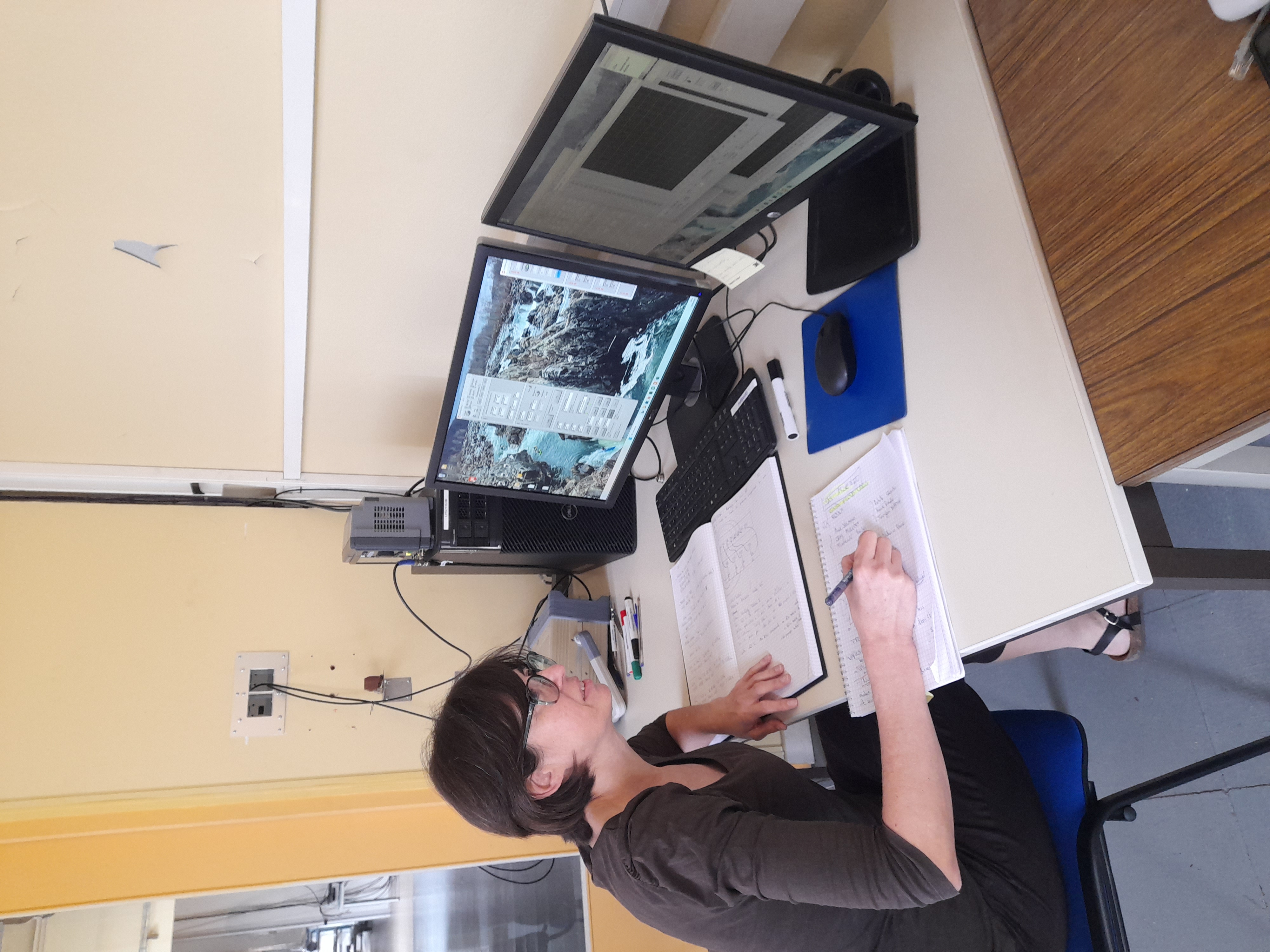
iSAS addresses an essential challenge: make accelerators more sustainable.
Accelerators drive advances in physics, medicine, and industry but consume enormous amounts of energy.
In iSAS, I am leading the design of key components, Fundamental Power Couplers and Higher-Order Mode dampers, with the goal to minimize their energy consumption (which can account for up to 50% of a linear accelerator’s cryogenic load) and optimize them for sustainability and manufacturability. I also oversee their production and testing for integration into energy-recovery linacs like PERLE and BriXSinO. By advancing beam energy recovery technologies, we are paving the way for greener, more energy-efficient high-power accelerators, thereby reducing their environmental footprint.
What surprised me most was the people. The culture is exceptionally welcoming and collaborative. The trust, passion, and fellowship I’ve found here was unexpected, but it’s something I’ve come to deeply cherish.
I wish someone had told me that mistakes are lessons, not failures and that science thrives on collaboration, you’re never alone.
This mindset would have saved me from unnecessary stress and helped me embrace learning with confidence and curiosity.
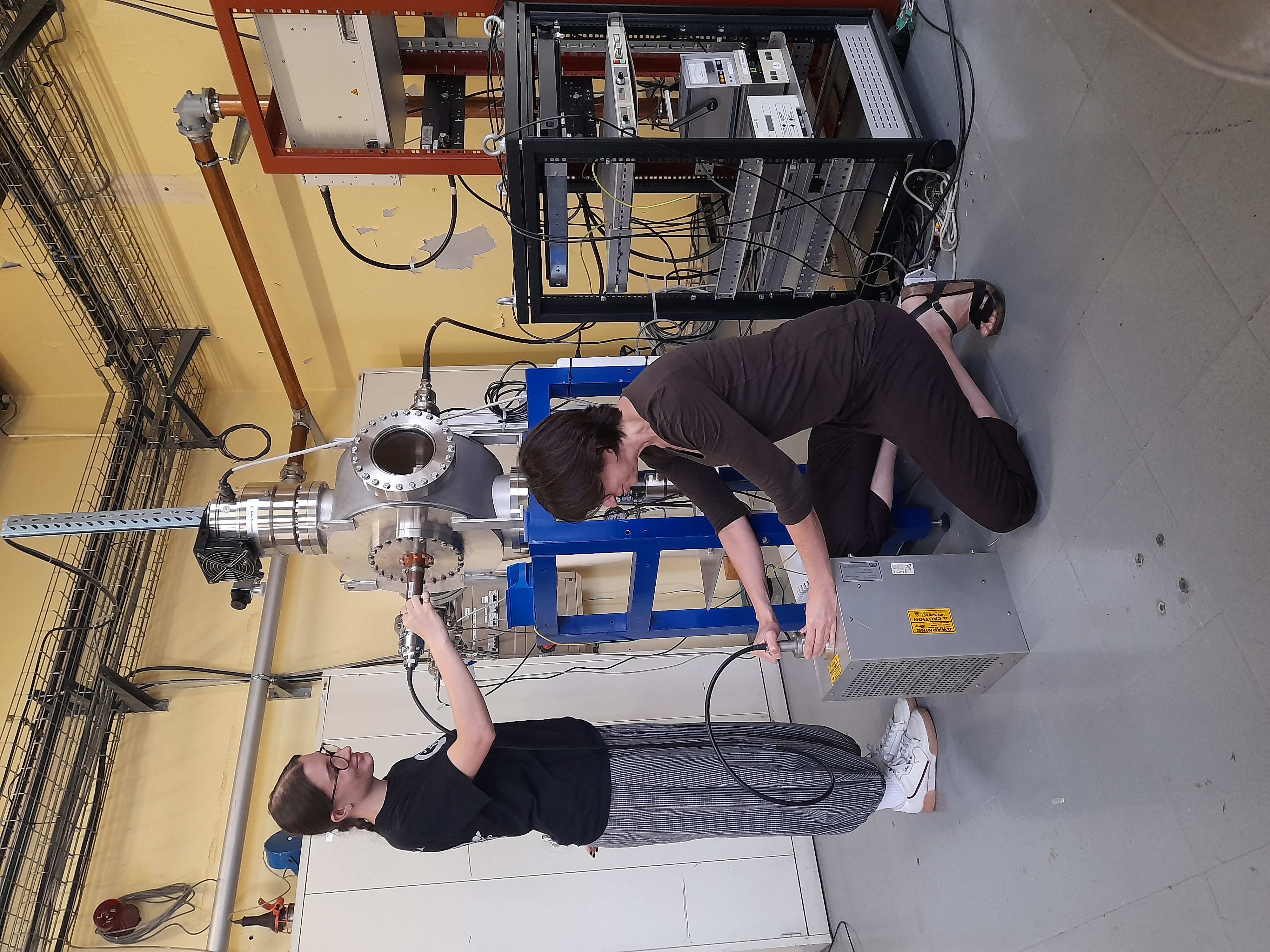
The shift from researcher to leader required a fundamental mindset change.
As a researcher, I focus on precision, depth, and individual excellence—mastering methods, coding simulations, and delivering rigorous results.
But leadership demand to delegate and trust my team’s expertise, listen actively and adapt my approach to different personalities. Most importantly, I learn to think strategically, prioritizing impact, anticipating challenges, and aligning our work with broader goals.
Research is about solving problems. Leadership is about empowering others to solve them even better.
One of the decisions I’m most proud of, and the first one I made, was joining the iSAS project. This initiative aligns perfectly with both my professional passions and my core values. It’s given me the chance to collaborate with exceptional colleagues from institutions like IJCLab/CNRS, CERN, and INFN, working alongside them is a true privilege.
Another decision I’m proud of came when we faced potential delays in component production. I anticipated the risk of missing a critical milestone and proposed revised, realistic deadlines in advance. This gave us time to negotiate with the European Commission, and we secured an extension. As a result, we were able to work without the pressure of unrealistic timelines, ensuring both quality and peace of mind.
Yes: A call to women in science!
If you’re passionate about science, technology, or tackling complex challenges, this is a field where you can make a real difference. Don’t hesitate to join us. The future of accelerators depends on diversity.
Accelerators have allowed humans to probe, understand and explore materials and matter in unprecedented ways, greatly advancing our knowledge of our world, our environment, our history and even our very existence. Different types of accelerators specialise in accessing different types of information; however, typically to reach the accelerations achieved by the world’s leading facilities, huge investment is required both financially and in terms of energy and resources to build, run and ultimately decommission the large-scale facilities. The iSAS project aims to develop technology and to identify and implement opportunities to reduce the environmental footprint of accelerating systems throughout their lifetimes.
To enable acceleration to high energies, cryogenic temperatures are commonly used, and the accelerating unit providing the cryogenic environment is known as a cryomodule. Within the iSAS framework, I work with both work packages 5 and 6, focussing on evaluating the existing accelerator facilities of today, and identifying challenges and design features common to different facilities to develop a roadmap towards more sustainable cryomodule design. Ultimately, we will produce a parametric design for a sustainable cryomodule, utilising iSAS technologies as well as exploring commonality, industrialisation and other considerations as drivers of sustainability. Additionally, we will also test a cryomodule fitted with iSAS technologies at ESS.
It is very difficult to really grasp the scale of a facility such as ESS without experiencing it in person. Not only is the size remarkable, but the knowledge that every tiny individual part of the whole machine must work correctly and simultaneously for the facility to properly function is incredibly impressive!
Never stop asking questions! When working in such a large facility it can be truly humbling to see so many specialist groups working on specific tasks that one may know very little about. We are all working towards the same goal, however, and it can be very valuable to better understand the daily tasks and challenges of our neighbouring groups. Maybe we are both trying to solve the same problem?
As a machine user, the usual expectation is that you arrive at the facility and the machine will work as expected, delivering the specific beam requirements for your approved experiments. To reach that level of consistent machine reliability is an impressive feat. Now working on the other side, I see just how many specialist people and dedicated groups it takes to make a facility not just function, but function consistently, repeatably and with minimal downtime. Although ESS is still currently working towards first beam on target, it is already evident how challenging and important achieving consistent, reliable operation will be.
Since I started at ESS I have been welcomed into an incredibly knowledgeable and supportive group. It is great to see how the team supports each other, especially in moments where surprises occur and plans have to pivot at short notice. Knowing that I am working with good colleagues makes me feel that I am exactly where I am supposed to be.